
Beyond the Technical: Mastering the Soft Skills that Make a Great Manager
- mlopez4422
- Jul 12, 2024
- 3 min read

Technical skills are undeniably important in any leadership role. But what separates good managers from great ones? The answer lies in a set of essential yet sometimes overlooked qualities – soft skills. These interpersonal strengths empower managers to build trust, motivate teams, and navigate the complexities of the human element within their organization.
In today's dynamic work environment, where collaboration and innovation are paramount, honing these soft skills is no longer optional – it's a leadership imperative. Here's a breakdown of some key soft skills that define successful managers:
1. Communication: The Cornerstone of Effective Leadership
Clear and concise communication is the bedrock of successful management. Managers need to effectively convey:
Expectations: Setting clear expectations for tasks, deadlines, and performance eliminates confusion and ensures everyone is on the same page.
Feedback: Providing constructive feedback, both positive and negative, helps guide team members towards improvement and growth.
Company Vision: Articulating the company's vision and goals in a way that inspires and motivates the team fosters a sense of purpose and direction.
Active listening is equally important. Managers who truly listen to their team members create a safe space for open communication and build trust.
2. Empathy: Understanding Your Team on a Deeper Level
Great managers possess empathy, the ability to understand and share the feelings of others. This includes:
Emotional Intelligence: Understanding emotions in yourself and others allows for better communication, conflict resolution, and team building.
Recognizing Needs: Identifying individual needs and concerns helps managers provide targeted support and create a work environment where everyone feels valued and heard.
Motivation Through Understanding: By understanding what motivates each team member, managers can tailor their leadership style to inspire individual and collective achievement.
3. Adaptability: Thriving in the Face of Change
The business landscape is constantly evolving. Managers who can adapt to change effectively are invaluable. This includes:
Embracing New Ideas: Being open to new ideas and approaches fosters creativity and innovation within the team.
Problem-Solving Agility: Effectively navigating challenges and developing solutions on the fly is crucial for overcoming obstacles and achieving goals.
Flexibility: Adapting to changing priorities, deadlines, or team dynamics ensures smooth operations and a resilient team spirit.
4. Teamwork: Building a Collaboration Powerhouse
Collaboration is key to achieving any significant goal. Leaders who foster teamwork excel by:
Delegation and Trust: Delegating tasks empowers team members, fosters ownership, and strengthens their skill sets.
Collaboration Encouragement: Creating an environment where team members feel comfortable working together and sharing ideas fosters innovation and problem-solving.
Celebrating Collective Achievements: Recognizing and celebrating successes achieved as a team builds morale and strengthens team bonds.
5. Problem-Solving: Finding Solutions Together
Effective problem-solving is a defining characteristic of strong leadership. This includes:
Critical Thinking: The ability to analyze information, identify the root cause of problems, and develop creative solutions is essential.
Decision-Making Skills: Making sound decisions under pressure and weighing different options empowers the team to move forward confidently.
Conflict Resolution: Facilitating respectful discussions and finding win-win solutions to conflict keeps the team focused and moving towards shared goals.
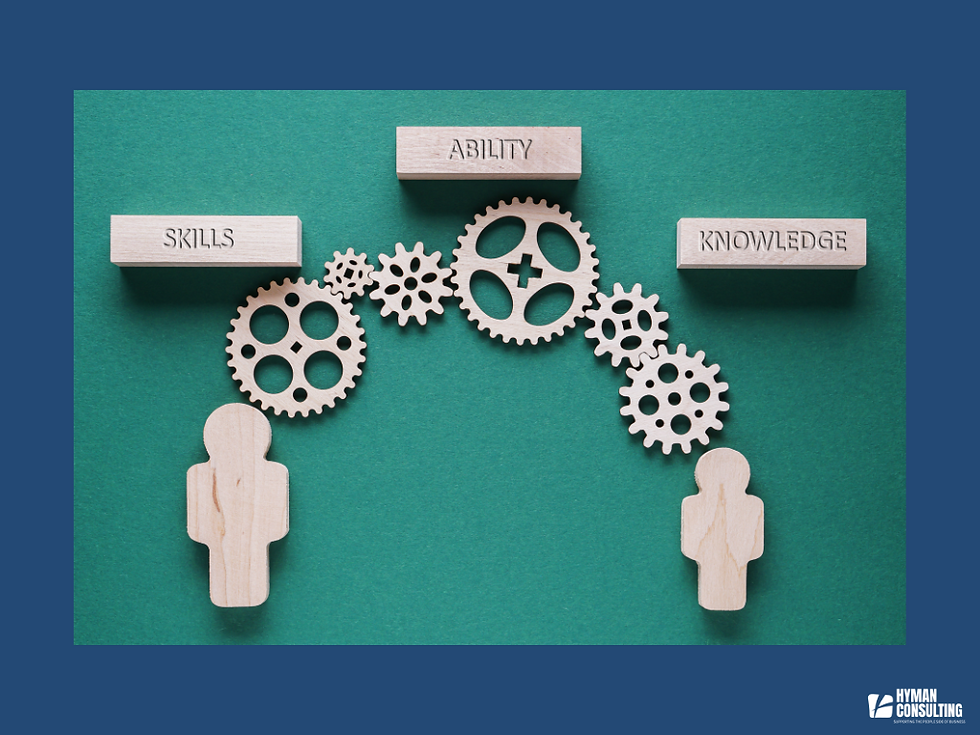
By mastering these soft skills, managers can unlock their full leadership potential. Teams led by managers with strong soft skills are more:
Engaged: Feeling valued and heard fosters a sense of purpose and engagement.
Productive: Clear communication, effective delegation, and a collaborative environment lead to smoother operations and higher productivity.
Innovative: Trust and open communication create a space for creativity and out-of-the-box thinking.
Soft skills can be learned and honed through various means, including:
Leadership Training: Many training programs focus specifically on developing soft skills for managers.
Mentorship: Learning from experienced leaders can provide valuable insights and guidance.
Self-Reflection: Evaluating your own strengths and weaknesses in these areas is crucial for targeted improvement.
Key Takeaways:
Technical expertise is a valuable asset, but soft skills are the heart and soul of effective leadership. By honing these essential skills, managers can build trust, inspire teams, and navigate the complexities of the workplace with confidence. Investing in soft skills development is an investment in your team, your organization, and ultimately, your own success as a leader.
Does your team lack the communication, collaboration, or problem-solving skills needed for peak performance? Hyman Consulting can help!
Contact us at info@hymanconsultinggroup.com to schedule a customized training session for your team.
Don't wait for conflict to escalate! Use our Calendly link https://calendly.com/hymanconsulting to schedule a free 30-minute consultation to discuss your specific needs.
By investing in Soft Skills training, you can create a more harmonious and productive work environment for everyone.


Comments